
Insights
Engineering notes and company perspectives on robotic welding, shipbuilding and heavy fabrication.

Why High-Mix Shipbuilding Needs a Different Kind of Welding Robot
Automotive welding cells spread programming cost over high-volume repetition. Shipyards build low-volume, high-variation structures, so the automation has to work differently.


Latest
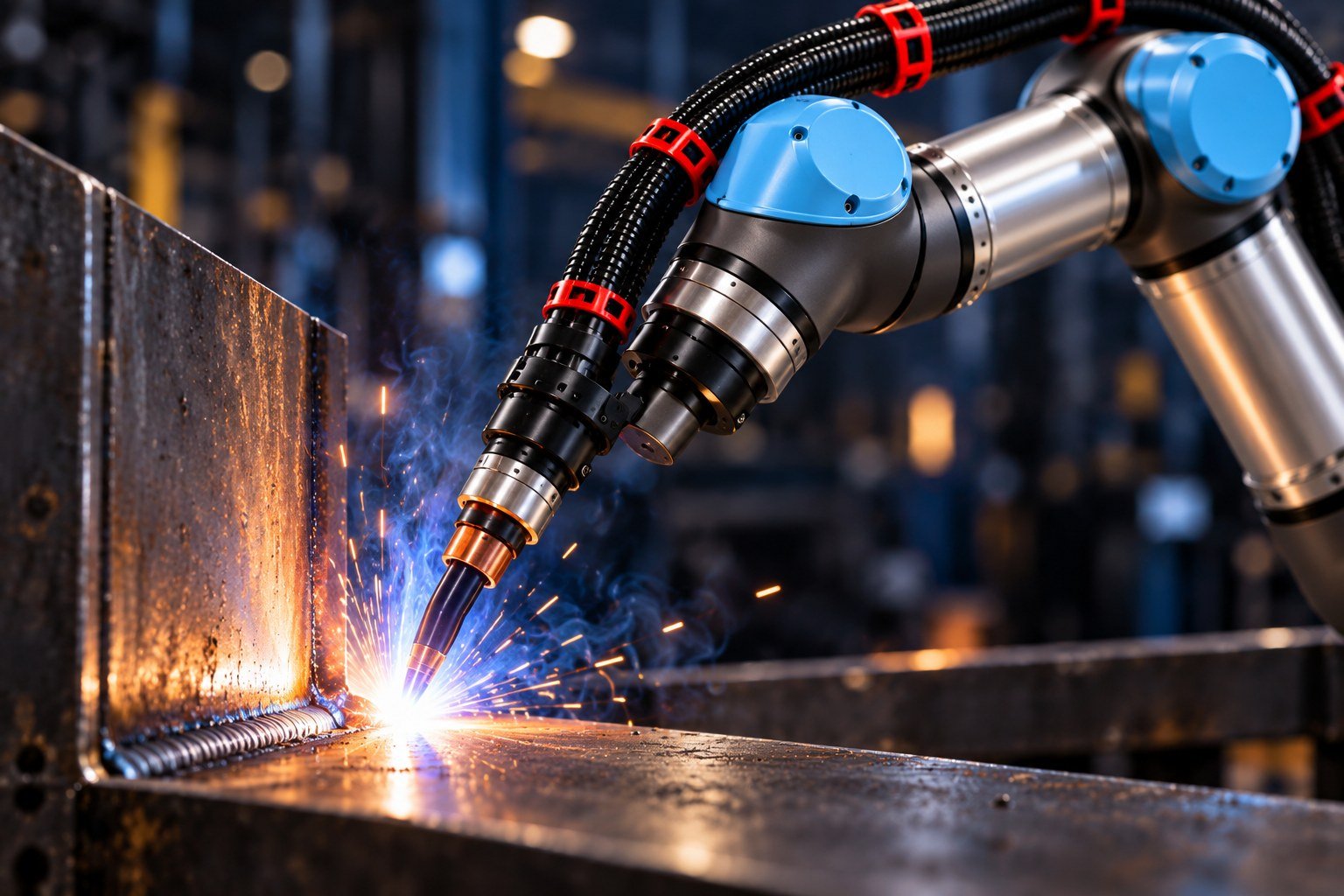 Welding
The Welder Shortage: What the Public Data Actually Shows
What public data actually says about welder wages and industrial robot adoption in the United States, what it does not prove, and how a shipyard should measure its own situation instead.
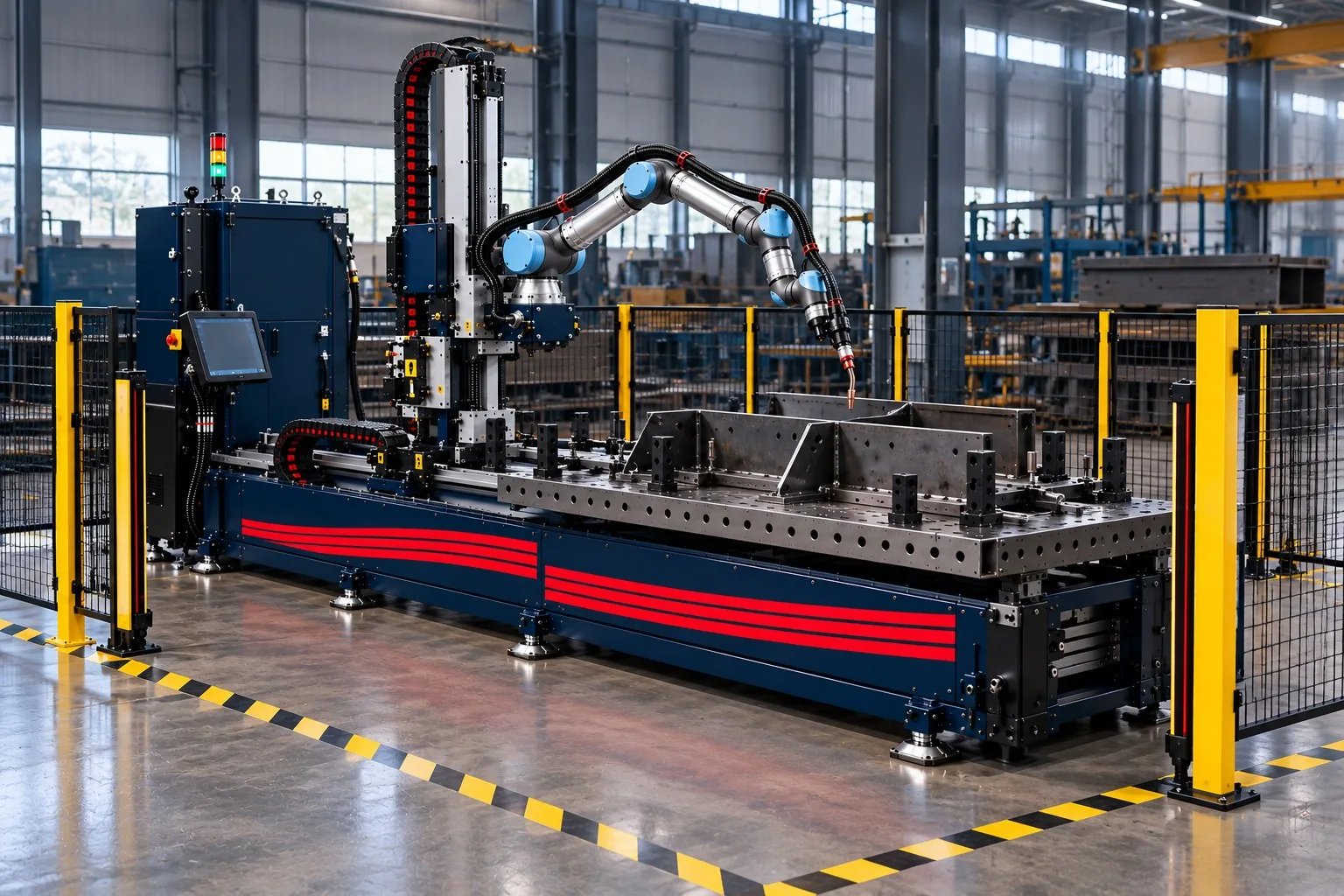 Robotics
What ANSI/A3 R15.06-2025 Means for Robot Cell Design
ANSI/A3 R15.06-2025 adopts ISO 10218-1:2025 and ISO 10218-2:2025, and R15.06-3-2025 covers the use of industrial robot cells. A plain-language guide for welding-cell designers, integrators, users and buyers.
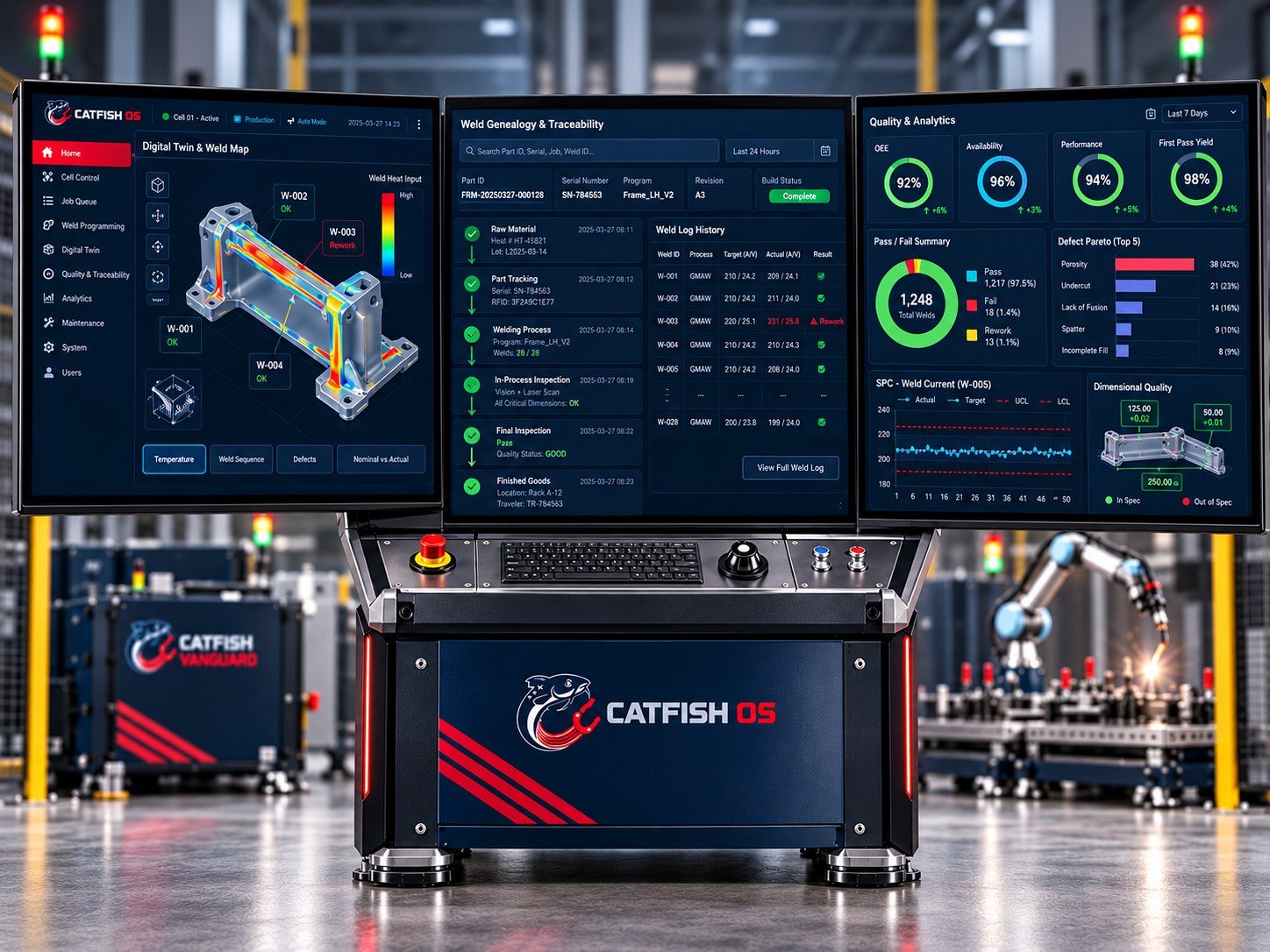 Welding
Every Weld, on the Record: Building a Production Weld Record
Inspection records whether a weld met its acceptance criteria. A production weld record captures how it was made. What belongs in one, and why automated cells can capture it for every weld.
 Company
Our Principles: Measure First, Engineer Safety Independently
Five operating principles for how Catfish Vanguard designs robotic welding systems, works with shipyards and backs up what it says.


Guides
All guides- Guide
Robotic Welding Readiness Checklist
A practical self-assessment before you invest in a robotic welding cell.
- Guide
How to Prepare a Weld-Family Study
What to gather and expect when you start a fixed-scope weld-family study.
- Guide
MARAD Small Shipyard Grant: Equipment Application Primer
How to frame an equipment project for a Small Shipyard Grant application.